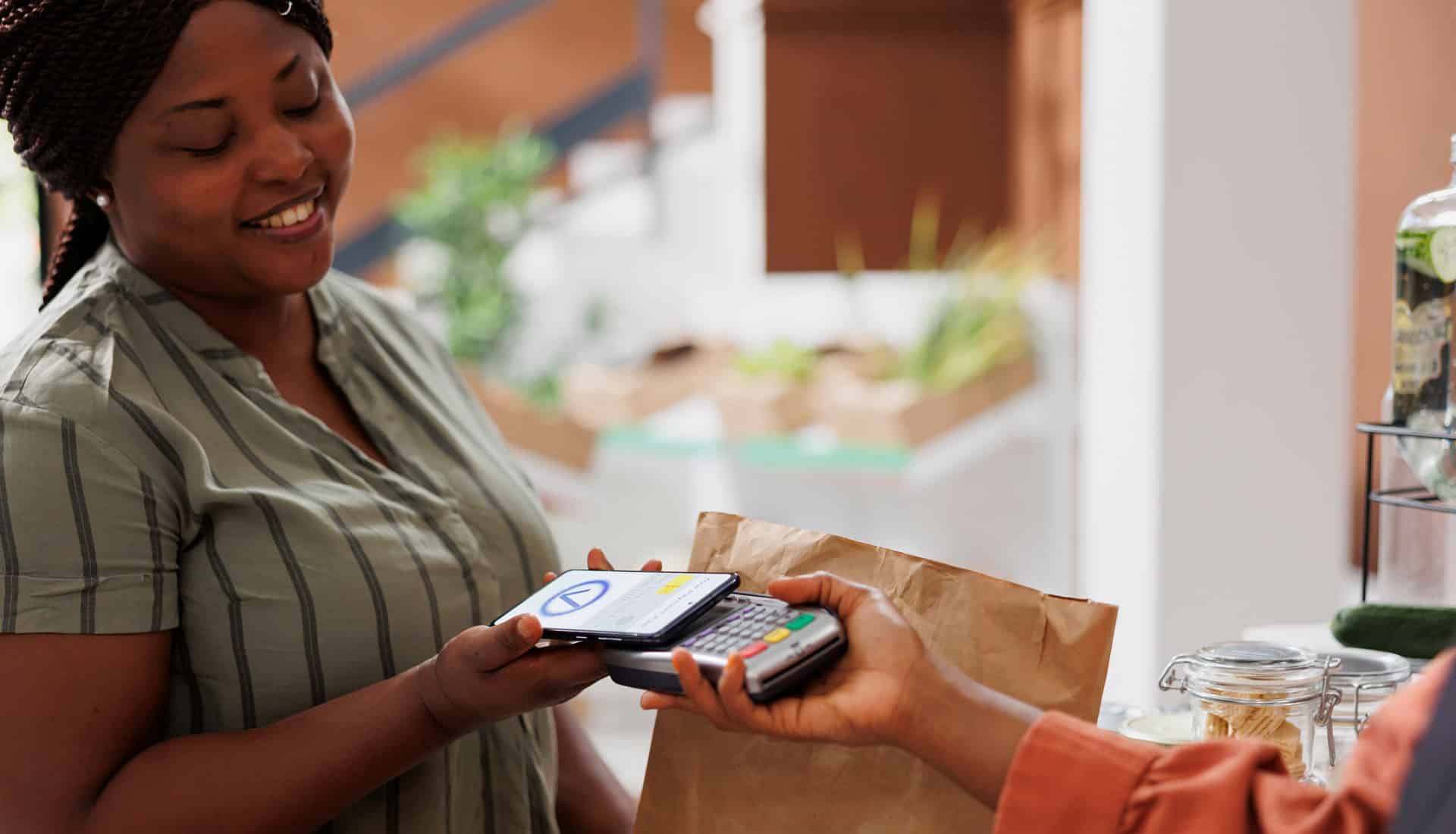
There’s something quietly changing in the way South Africans spend money, and most people don’t even realise how fast it’s happening. What used to be a simple cash exchange has evolved into something far more fluid, driven by convenience, necessity and a growing trust in technology. Digital payments are no longer reserved for big retailers or urban centres – they are becoming part of everyday life, from coffee stands and market stalls to service providers and small businesses.
What makes this shift so powerful is that it isn’t being forced. It’s happening naturally, shaped by how people live, move and interact. And while the headlines often focus on big fintech innovation, the real story is happening on the ground, in the hands of ordinary South Africans choosing speed, simplicity and flexibility over tradition.
Not long ago, paying with your phone or tapping a card still felt like a novelty. Today, it’s quickly becoming the default. Whether it’s a quick tap at a local café or scanning a QR code at a weekend market, digital payments are now part of the everyday rhythm.
This shift has been accelerated by a mix of factors. People want faster transactions, fewer queues and less friction. Businesses, on the other hand, want fewer risks associated with handling cash and a smoother way to manage sales. The result is a natural meeting point where both sides benefit.
What’s interesting is how this behaviour is spreading beyond traditional retail environments. Informal traders and small independent vendors are increasingly adopting simple payment solutions, making it easier for customers to pay however they choose. It’s no longer about having the latest technology – it’s about having the right tool at the right moment.