Foldable Smartphones: Why They Finally Make Sense in 2026

Foldable Smartphones: Why They Finally Make Sense in 2026

For a long time, foldable smartphones felt more like demonstrations of what technology could become rather than devices most people actually needed. They looked impressive at launch events, generated excitement online, and pushed smartphone design in a bold new direction — but for many users, they still felt expensive, experimental and slightly impractical for everyday life.

That feeling is beginning to disappear in 2026.

The latest generation of foldable smartphones is slimmer, lighter, more refined and significantly easier to live with than earlier models. More importantly, these devices are finally solving genuine everyday frustrations instead of simply showcasing futuristic engineering. From multitasking and productivity to portability and entertainment, foldables are beginning to offer something meaningfully different in a smartphone market that has started feeling increasingly repetitive.

This growing maturity comes at a time when consumers are becoming more intentional about upgrades and expecting more value from premium devices. That broader evolution in consumer expectations is something we recently explored in Everyday Tech Moments: 6 Small Changes Shaping Life in 2026

Foldables No Longer Feel Fragile or Awkward

One of the biggest problems with early foldable smartphones was usability. Many first-generation devices felt thick, delicate or unfinished. Battery performance was inconsistent, hinges felt bulky, and software support often struggled to keep pace with the hardware itself.

That experience has improved dramatically.

Today’s foldable smartphones feel far more polished and practical in daily use. Hinge mechanisms are smoother, displays are stronger, and many apps now adapt naturally to larger foldable screens. Devices such as Samsung’s Galaxy Z Fold series and HONOR’s foldable lineup are also becoming noticeably thinner and easier to carry without sacrificing screen size or functionality.

The result is a device category that feels less experimental and more integrated into modern routines.

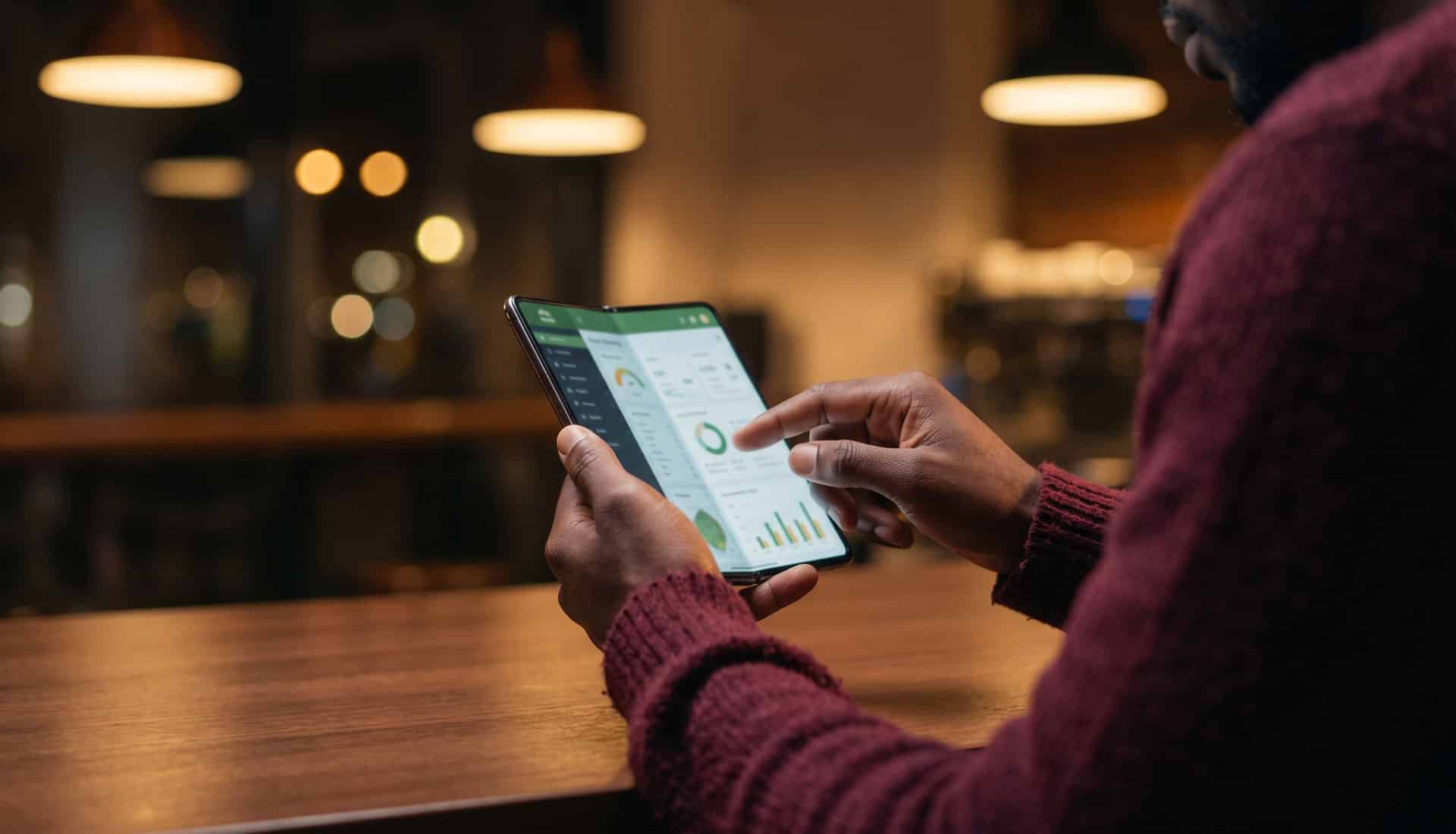
For many people, the appeal is no longer simply about having a larger display. It is about flexibility. A foldable smartphone can function as a compact phone during travel, then open into a more productive workspace for emails, meetings, reading or multitasking when needed.

That versatility matters in a world where smartphones are increasingly expected to handle work, entertainment and communication simultaneously.

Multitasking Has Become a Bigger Priority

Modern smartphone users are doing far more on their devices than they were even a few years ago. Video calls, content editing, navigation, streaming, online banking and document management now happen constantly throughout the day.

Foldable smartphones are particularly well suited to this shift.

The larger internal displays create a more comfortable multitasking experience that standard smartphones still struggle to replicate. Users can run multiple apps side-by-side, respond to messages while viewing content, or manage productivity tasks without repeatedly switching screens.

This reflects a broader direction in smartphone design where usability and integration are becoming more important than dramatic hardware leaps. We touched on this recently in Smartphone Innovation: 5 Shifts Quietly Defining 2026, where smartphone innovation was increasingly being measured by how naturally technology fits into everyday life rather than by specifications alone.

Foldables fit naturally into that conversation because they are not trying to reinvent smartphones entirely — they are trying to improve how people interact with them during real daily use.

Consumers Want Smartphones That Feel Different Again

Another reason foldable smartphones are attracting renewed interest is because much of the smartphone market has started looking remarkably similar. Most flagship devices now offer excellent cameras, strong battery life and fast processors, but visually and functionally, many phones feel increasingly alike.

Foldables bring back a sense of distinction.

Opening a foldable device still feels different in a way that traditional smartphones no longer do. That experience matters in a premium market where design, lifestyle positioning and personal identity continue influencing buying decisions.

At the same time, foldables are no longer limited to niche concepts. Major manufacturers including Samsung, HONOR, Vivo, Huawei and Oppo continue investing heavily in the category, suggesting long-term confidence rather than short-term experimentation.

Interestingly, this renewed focus on meaningful user experience is also becoming visible across the wider smartphone market. In Vivo X300 FE: A Different Kind of Focus — And Why It Matters, we explored how manufacturers are increasingly paying attention to how devices fit into real-world routines rather than simply competing on headline specifications.

Foldables are becoming part of that same conversation.

Foldable Smartphones Finally Feel Ready

Perhaps the biggest difference in 2026 is that foldable smartphones finally feel mature enough for mainstream users.

Consumers are no longer being asked to accept major compromises in exchange for futuristic design. Instead, they are being offered devices that combine portability, entertainment and productivity in ways that feel genuinely useful.

The pricing remains premium, but the overall value proposition has improved significantly. Buyers are increasingly viewing foldables not as novelty devices, but as multi-purpose tools capable of replacing several screens during everyday life.

That shift could become increasingly important as smartphone upgrade cycles continue slowing globally. People are upgrading less frequently and expecting more from each device they buy. Foldables, for the first time, are beginning to justify their place within that conversation.

And while they may still not be for everyone, foldable smartphones no longer feel like technology searching for a purpose. In 2026, they finally feel like technology that has found one.