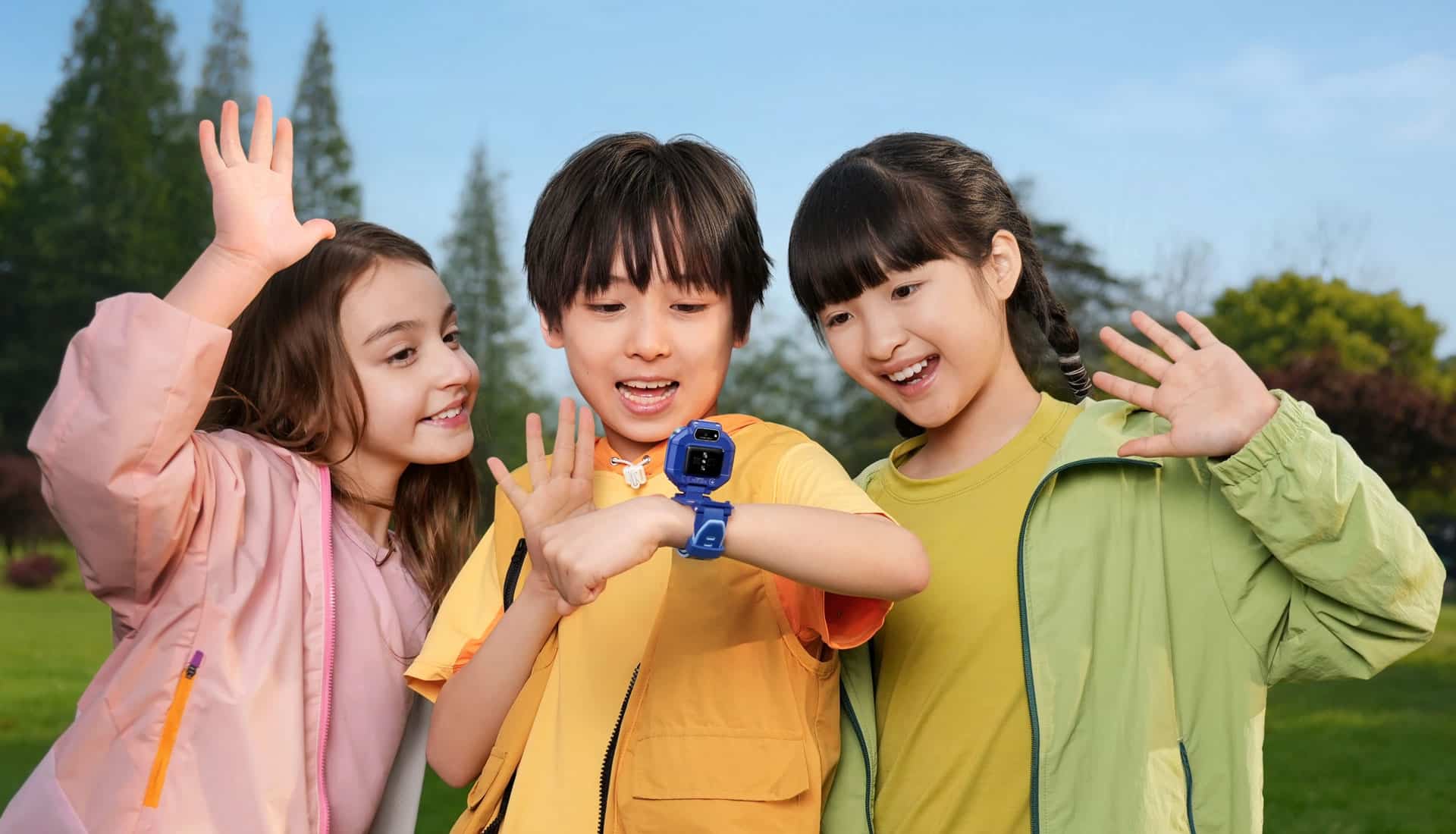
There was a time when parents had only two options. They could either give their child a mobile phone or rely on a simple agreement about where they would be and when they would return home. Today, a growing number of families are turning to a different solution altogether. Children’s smartwatches are quietly becoming one of the most practical pieces of technology a child can wear.
Recent product launches, including devices such as the Huawei Watch Kids X1, highlight a growing trend that extends far beyond technology enthusiasts. Children’s smartwatches are finding their way onto school playgrounds, sports fields and family outings because they solve a real world problem. Parents want to stay connected, while children want a little more freedom.
The result is a category of technology that is changing family life in subtle but meaningful ways.
One of the biggest challenges for modern parents is finding the right balance between independence and oversight. Most children eventually reach an age where they want to walk to a friend’s house, ride their bicycle around the neighbourhood or attend after school activities without a parent standing nearby.
For many families, handing over a smartphone can feel like a step too far. Smartphones bring internet access, social media, games and countless distractions. While these devices are incredibly useful, many parents are reluctant to introduce them too early.
This is where children’s smartwatches have found their place. They allow children to communicate with parents while avoiding many of the complexities that come with a smartphone. A quick voice call, a location update or a simple message can often provide all the reassurance a parent needs.
At the same time, children gain a sense of responsibility and independence without feeling as though they are being constantly monitored.
Much of the growth in children’s smartwatches can be linked to safety concerns. Families today often juggle busy schedules that involve school, sport, extracurricular activities and transport arrangements.
Knowing where a child is at any given moment can provide significant peace of mind.
Many children’s smartwatches include GPS tracking, location sharing and emergency contact features. While no technology can replace good communication and trust, these tools can help parents react more quickly if plans change unexpectedly.
Imagine a child finishing a sports practice earlier than expected or being collected by a different family member. In situations like these, the ability to quickly communicate can reduce anxiety for everyone involved.
The appeal is not necessarily about keeping a close watch on children every minute of the day. For many families, it is simply about maintaining a connection when life becomes busy and unpredictable.
Interestingly, the popularity of children’s smartwatches is not being driven by parents alone.
Children themselves are increasingly comfortable with wearable technology. They see adults using smartwatches to track fitness, receive notifications and stay connected throughout the day. It is therefore no surprise that younger users are showing interest in devices designed specifically for them.
Many children’s smartwatches include features that encourage activity, communication and basic digital interaction. Some include cameras, fitness tracking tools and educational functions that make them feel less like a safety device and more like a personal gadget.
This shift is important because successful technology often works best when it feels useful rather than restrictive. Children are far more likely to wear a device every day if they genuinely enjoy using it.
The result is a product category that appeals to both generations. Parents appreciate the practical benefits, while children enjoy the sense of ownership that comes with having their own connected device.
The rapid growth of children’s smartwatches says something interesting about the way families are adapting to technology.
For years, discussions about connected devices focused almost entirely on adults. Smartphones, tablets and laptops dominated conversations about digital life. Today, wearable technology is creating new opportunities for younger users while offering parents additional flexibility.
As technology continues to evolve, children’s smartwatches are likely to become more capable, more affordable and more widely accepted. Features that once seemed advanced are quickly becoming standard expectations.
What makes this trend particularly interesting is that it is not really about technology at all. At its heart, it is about communication, trust and family relationships.
Parents want to know their children are safe. Children want the freedom to explore the world around them. Children’s smartwatches are emerging as a practical tool that helps bridge the gap between those two goals.
Whether they eventually replace the need for a first smartphone remains to be seen. What is clear, however, is that children’s smartwatches are no longer viewed as novelty gadgets. They are becoming a genuine part of everyday family life, helping families stay connected in ways that were almost impossible just a few years ago.