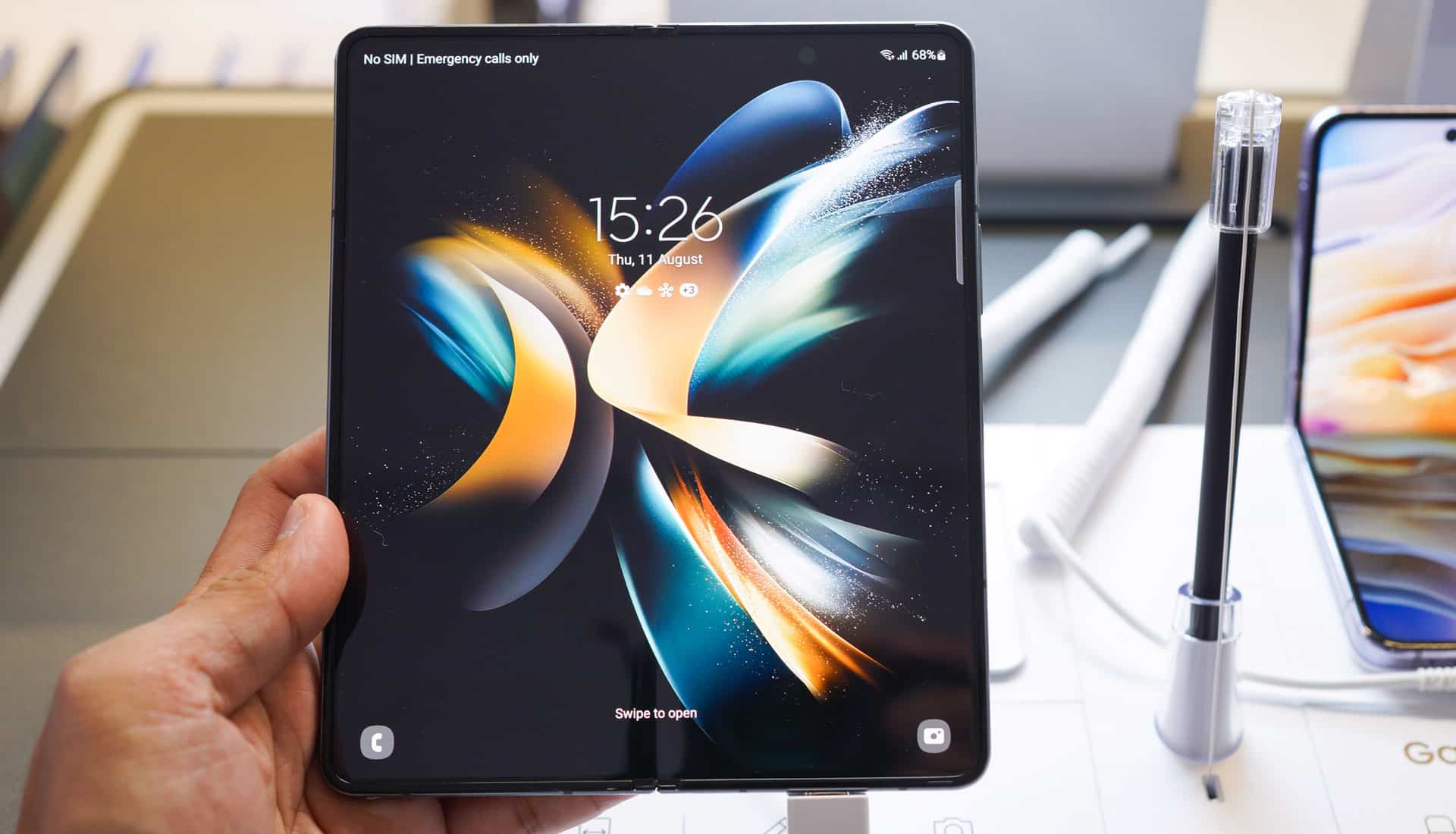
Crease-Free Foldables: 3 Changes Redefining Smartphones

For years, foldable smartphones have existed in a space between bold innovation and everyday compromise. They looked futuristic, promised bigger screens without bigger pockets, and showcased engineering ambition at its finest. Yet one flaw consistently held them back from mainstream appeal: the crease. No matter how refined the hardware became, that visible line down the centre of the screen reminded users that foldables were still a work in progress. Samsung’s latest CES 2026 display showcase suggests that this long-standing issue may finally be close to resolution, and that shift could fundamentally change how we view foldable smartphones.

Rather than unveiling a new phone, Samsung focused on the display itself — the core of the foldable experience. A creaseless foldable panel may sound like a small detail, but it addresses the single most criticised aspect of foldable design. When the screen looks uninterrupted, the technology stops feeling experimental and starts feeling intentional. This moment marks a turning point where foldables are no longer trying to impress through novelty alone, but through refinement.

Crease-free foldables signal a shift from novelty to refinement

Foldable smartphones have steadily improved over the past few years. Hinges have become more durable, water resistance has improved, and software has grown smarter at adapting to larger screens. Despite these advances, the crease remained the most visible reminder of the technology’s limitations. Samsung’s creaseless display points to a new phase where the focus moves away from dramatic form factors and towards perfecting the experience users interact with every day.

This shift matters because refinement builds trust. A foldable display that looks and feels seamless reduces the psychological barrier for users who previously dismissed the category as fragile or unfinished. It also changes how the device feels in use. Without a visible crease catching the light or disrupting content, the screen behaves more like a traditional slab phone when unfolded, while still offering the flexibility that defines foldables.

The emphasis on refinement also reflects a broader trend in the smartphone market. Consumers are becoming less impressed by gimmicks and more interested in meaningful improvements that enhance daily use. Crease-free foldables fit squarely into that expectation.

Crease-free foldables redefine how large screens work on smartphones

A seamless foldable display does more than improve aesthetics. It changes how people interact with content. Reading articles, watching videos, editing documents, and multitasking all benefit from an uninterrupted screen. When the fold disappears visually, the experience becomes more immersive and more practical.

Samsung’s showcased panel reportedly integrates under-display camera technology, reinforcing the idea of a clean, distraction-free canvas. Combined with improvements in brightness, colour accuracy, and durability, this positions foldables as serious productivity tools rather than conversation pieces. A larger screen that feels continuous encourages more natural multitasking, whether that means running multiple apps side by side or using the device as a portable workstation.

This evolution also has implications for app design. Developers are more likely to invest in foldable-friendly interfaces when the hardware experience feels consistent and predictable. Removing the crease eliminates a visual interruption that designers previously had to accommodate, opening the door to cleaner layouts and better use of screen space.

Crease-free foldables reshape expectations for future devices

While Samsung has not confirmed which upcoming products will use this creaseless display, the direction is clear. Future foldables will prioritise experience-driven improvements over headline-grabbing specs. Instead of chasing thinner profiles or higher refresh rates alone, manufacturers are focusing on solving the issues that genuinely affect usability.

This approach aligns with how people now buy smartphones. Devices are kept for longer, and upgrades are expected to deliver tangible benefits rather than marginal gains. A truly seamless foldable screen qualifies as such a benefit. It addresses a long-standing concern and makes the form factor easier to live with day to day.

There is also a wider industry impact to consider. Samsung Display supplies panels to multiple manufacturers, meaning breakthroughs like this rarely remain exclusive forever. As crease-free foldables become viable at scale, the entire category stands to benefit, accelerating adoption across different brands and price segments.

Ultimately, crease-free foldables represent more than a technical achievement. They signal that foldable smartphones are maturing. By addressing the flaw that mattered most to users, Samsung’s CES 2026 showcase suggests that foldables are moving closer to fulfilling their original promise — offering larger, more versatile screens without compromise. If this trajectory continues, foldables may soon feel less like futuristic experiments and more like a natural evolution of the smartphone itself.