Digital Payments: 4 Powerful Shifts Changing How We Spend

There’s something quietly changing in the way South Africans spend money, and most people don’t even realise how fast it’s happening. What used to be a simple cash exchange has evolved into something far more fluid, driven by convenience, necessity and a growing trust in technology. Digital payments are no longer reserved for big retailers or urban centres – they are becoming part of everyday life, from coffee stands and market stalls to service providers and small businesses.

What makes this shift so powerful is that it isn’t being forced. It’s happening naturally, shaped by how people live, move and interact. And while the headlines often focus on big fintech innovation, the real story is happening on the ground, in the hands of ordinary South Africans choosing speed, simplicity and flexibility over tradition.

Digital Payments Are Becoming the Default

Not long ago, paying with your phone or tapping a card still felt like a novelty. Today, it’s quickly becoming the default. Whether it’s a quick tap at a local café or scanning a QR code at a weekend market, digital payments are now part of the everyday rhythm.

This shift has been accelerated by a mix of factors. People want faster transactions, fewer queues and less friction. Businesses, on the other hand, want fewer risks associated with handling cash and a smoother way to manage sales. The result is a natural meeting point where both sides benefit.

What’s interesting is how this behaviour is spreading beyond traditional retail environments. Informal traders and small independent vendors are increasingly adopting simple payment solutions, making it easier for customers to pay however they choose. It’s no longer about having the latest technology – it’s about having the right tool at the right moment.

Small Businesses Are Driving the Change

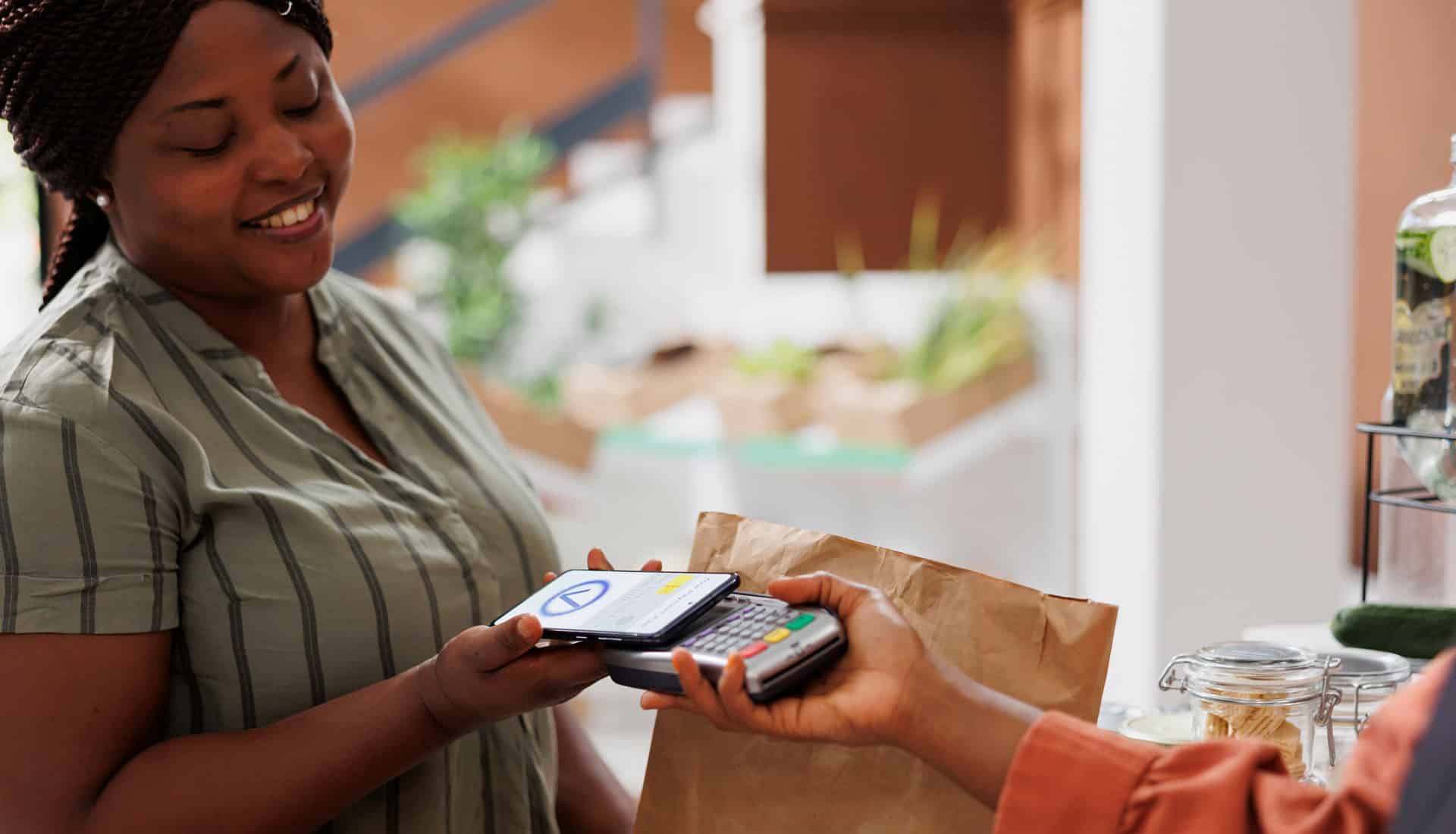
One of the most powerful aspects of this shift is that it’s being led by small businesses. In many ways, they are the true engine behind the growth of digital payments in South Africa. For a small business owner, the ability to accept card or mobile payments is no longer a luxury. It’s a necessity. Customers expect it, and businesses that don’t offer it risk losing out. What’s changed is how accessible these tools have become. Devices are more affordable, onboarding is quicker, and platforms are designed to be simple enough for anyone to use.

This has opened the door for a much wider group of entrepreneurs to operate more professionally and more efficiently. It also creates a better customer experience, where transactions feel seamless rather than transactional.

We’ve seen similar shifts in how mobile technology is shaping everyday behaviour in our article “Smartphone Camera: 4 Powerful Changes in Mobile Photography”, where accessibility and ease of use drove adoption far faster than expected. The same pattern is now playing out in payments.

From Cash to Convenience: A Behavioural Shift

The move towards digital payments isn’t just about technology – it’s about behaviour. People are choosing convenience, and once that habit forms, it’s very hard to reverse.

Carrying cash is becoming less appealing, especially when digital options are quicker and often safer. There’s also a growing sense of control that comes with digital transactions. People can track spending, receive instant confirmations and avoid the hassle of dealing with change.

This behavioural shift is particularly visible among younger consumers, but it’s not limited to them. Across different age groups, there is a clear move towards payment methods that feel intuitive and immediate.

It mirrors broader digital trends we’ve explored before, such as in “Samsung Satellite Connectivity: A New Era of Mobile Communication”, where technology is quietly reshaping expectations without needing to be loudly announced. Payments are following that same path – becoming essential without needing attention.

What This Means for the Future of Digital Payments

Looking ahead, the growth of digital payments in South Africa is only going to accelerate. As infrastructure improves and more businesses come on board, the ecosystem becomes stronger and more reliable.

What we’re likely to see next is a deeper integration of payments into everyday platforms. Social media, messaging apps and online marketplaces are already starting to blur the lines between communication and commerce. Paying someone could soon feel as simple as sending a message.

At the same time, trust will remain a key factor. People need to feel that their transactions are secure and reliable. As providers continue to improve security and transparency, adoption will continue to grow.

We touched on the importance of trust and reliability in digital systems in our article “Smartphone Payment Plans Shaping South Africa: FoneYam, PayJoy, M-Kopa, and Africa Mobile”, where the focus was on how platforms are building confidence among users. That same trust is what will ultimately sustain long-term growth.

For a broader global perspective, recent insights from the World Bank highlight how digital financial services are playing a critical role in improving financial inclusion across emerging markets, reinforcing just how significant this shift is beyond just local trends.
What makes this moment interesting is not just the technology itself, but how quietly it has become embedded in everyday life. Digital payments are no longer something we think about – they are simply something we do.

And that, more than anything, is what signals a real shift. Recent insights from the World Bank highlight how digital financial services are accelerating financial inclusion across emerging markets, reinforcing just how significant this shift has become globally.