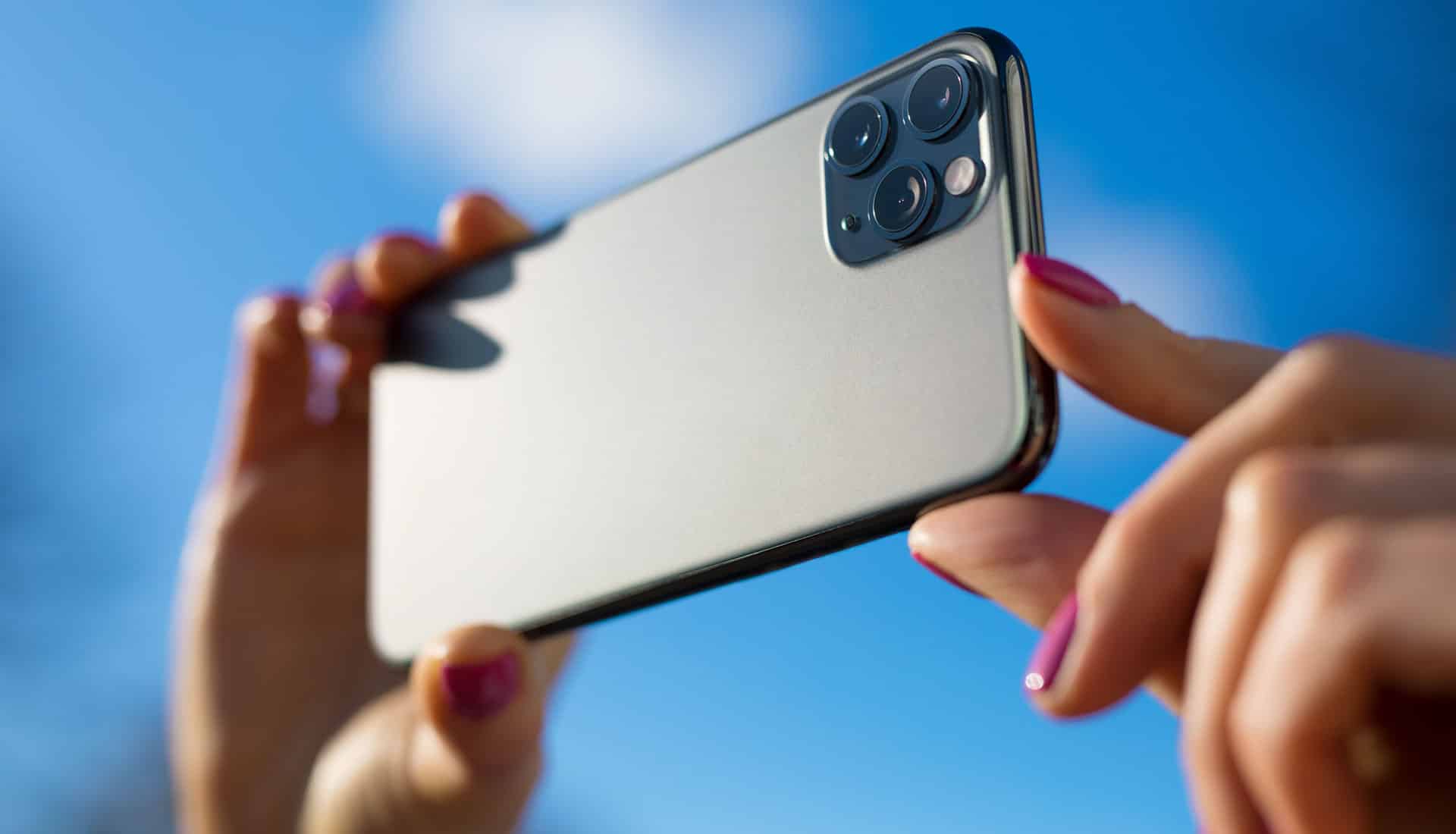
Smartphone Camera: 4 Powerful Changes in Mobile Photography

There was a time when the smartphone camera improved dramatically every single year. Each new device promised more megapixels, sharper lenses, bigger sensors and better low-light performance. For many consumers, camera upgrades were the main reason to replace their phones. Today, however, the industry finds itself at an interesting turning point. The modern smartphone camera has reached a level of maturity where even mid-range devices are capable of producing images that would have seemed impossible just a few years ago.

This does not mean innovation has stopped. Far from it. What has changed is the direction of progress. Instead of chasing dramatic leaps in hardware, manufacturers are now focusing on smarter software, computational imaging and entirely new ways of capturing and enhancing photos. The smartphone camera is no longer just a piece of hardware sitting on the back of a device. It has become a complex system combining optics, artificial intelligence and advanced processing.

Here are four powerful changes that are quietly reshaping the world of mobile photography.

Hardware innovation is slowing down

For years the smartphone industry was locked in a race for bigger numbers. More megapixels, larger sensors and more lenses were presented as proof that each generation of phones was dramatically better than the last. That race has now begun to level off.

Most modern flagship devices already feature extremely capable camera hardware. Multiple lenses, advanced stabilisation and large sensors are now standard features rather than selling points. Even mid-range smartphones are capable of producing sharp, vibrant images in a wide range of conditions.

This means the gap between devices has narrowed significantly. While premium phones still hold advantages in specialised areas such as zoom or low-light photography, the everyday user will often struggle to notice dramatic differences between one generation and the next. The smartphone camera has simply reached a point where the hardware is already very good.

As a result, manufacturers are shifting their focus away from raw specifications and towards smarter image processing.

Smartphone Camera software is now the real battleground

The most important improvements in mobile photography are now happening behind the scenes. Advanced image processing, powered by artificial intelligence, is allowing smartphones to produce photos that look far better than the hardware alone would suggest.

Modern camera systems can combine multiple images in a fraction of a second, adjust exposure levels automatically and enhance detail using machine learning models trained on millions of photographs. Night photography is a perfect example of this shift. What once required specialised equipment can now be achieved with a handheld phone thanks to intelligent processing.

Portrait photography has also evolved dramatically. Instead of relying purely on optical depth sensors, many smartphones now use sophisticated algorithms to simulate depth of field, creating professional-looking portraits with remarkable accuracy.

In many ways the smartphone camera is beginning to resemble a miniature photography studio, where software plays as important a role as the lens itself.

Video is becoming the new frontier

While still photography has reached a level of maturity, video capabilities continue to advance rapidly. Many manufacturers now see video performance as the next major differentiator in mobile photography.

Modern smartphones are capable of recording cinematic quality footage with impressive stabilisation, advanced colour grading and high frame rates. Features such as HDR video, slow motion recording and real-time image processing are becoming increasingly common.

Content creation is also driving this shift. Social media platforms and short-form video apps have dramatically increased the demand for high quality video recording directly from a phone. For many creators, the smartphone camera has effectively replaced traditional video equipment.

As a result, video technology is quickly becoming one of the most important areas of competition in the mobile industry.

Computational photography is redefining the smartphone camera

Perhaps the most fascinating development is the rise of computational photography. Instead of relying purely on physical optics, smartphones are now using powerful processors to construct images from multiple data sources.

When you take a photo today, your device is often capturing several frames simultaneously, analysing them in real time and combining them into a single final image. Exposure, colour balance and sharpness are all adjusted automatically by complex algorithms.

This approach allows smartphones to overcome many of the physical limitations of small camera sensors. It also opens the door to entirely new capabilities such as automatic scene recognition, real-time enhancement and even AI assisted editing.

In effect, the smartphone camera is evolving into a sophisticated imaging platform rather than just a simple camera module.

A new era for mobile photography

The story of the smartphone camera is no longer about bigger sensors or more megapixels. It is about intelligence, processing power and the seamless blending of hardware and software. While the pace of visible hardware upgrades may appear to be slowing, the technology behind the scenes is advancing faster than ever.

For consumers this is ultimately good news. It means the smartphone camera in your pocket is already capable of producing exceptional results, with many devices now delivering professional-level image quality according to independent testing by DXOMARK smartphone camera rankings.

The next phase of mobile photography will not necessarily be defined by dramatic visual changes in the devices themselves. Instead it will be shaped by the invisible technologies that quietly transform every photo we take.

And if the past decade has taught us anything, it is that the smartphone camera still has plenty of innovation left in it.