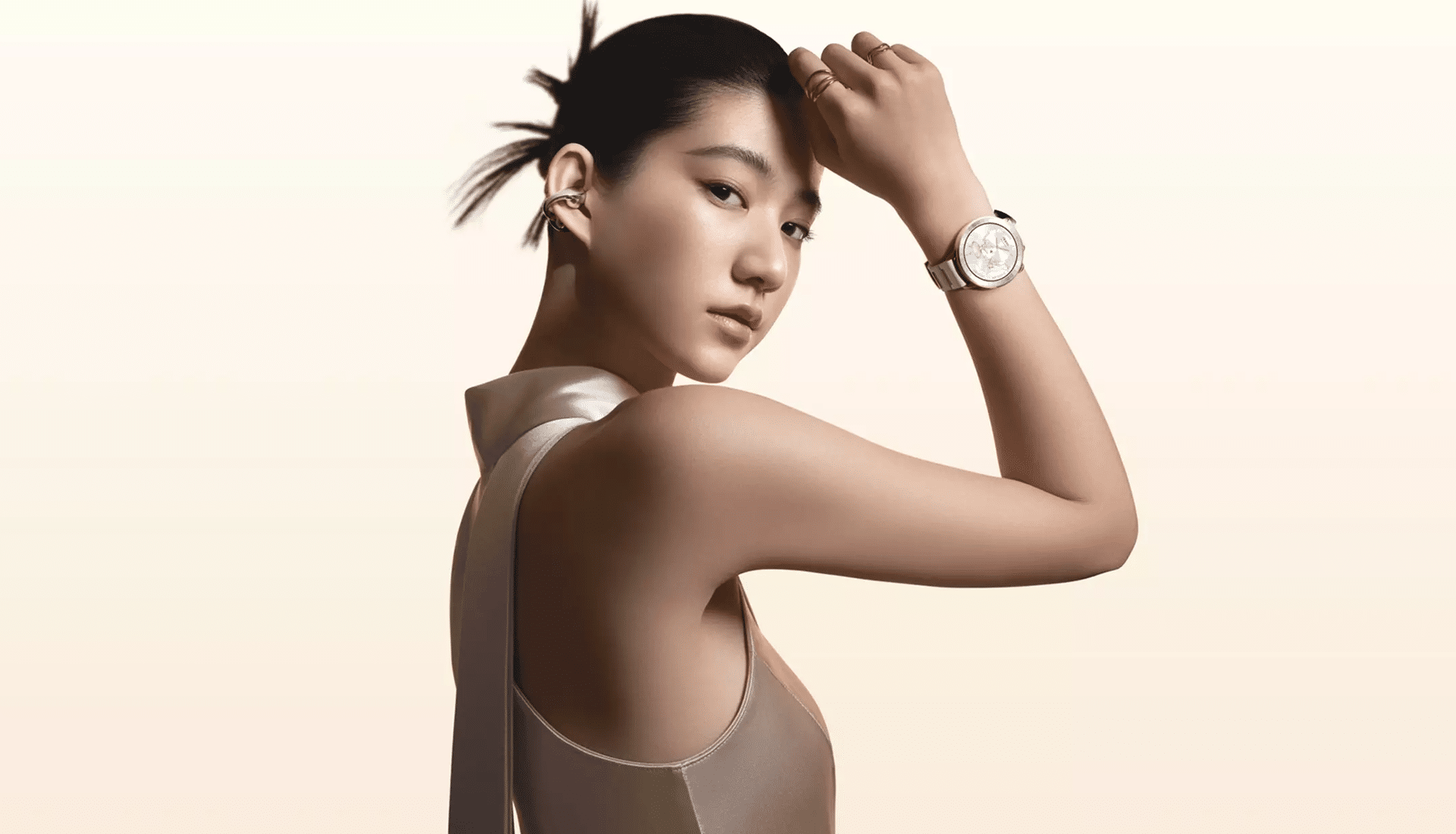
Woman wearing the Oppo Watch X3 Mini smartwatch in a premium lifestyle setting

The Best Wearable Tech Is the Kind You Barely Notice

There was a point where smartwatches started feeling exhausting.

Not because they lacked features, but because many of them stopped fitting naturally into everyday life. Bigger screens replaced subtlety. Thick rugged designs became the norm. Every new launch seemed determined to look more extreme than the last.

Somewhere along the way, wearable tech forgot that most people are not training for ultramarathons every weekend.

Most people simply want something useful.

That is partly why the Oppo Watch X3 Mini feels refreshing. Not because it is trying to dominate the market, but because it seems far more interested in being easy to live with. Smaller. Lighter. More refined. A smartwatch designed to fit into daily life instead of constantly competing for attention.

And honestly, that may be where wearable tech is becoming most interesting in 2026.

When Wearable Tech Stops Feeling Wearable

A lot of modern wearable tech has become visually loud.

Large cases, oversized displays and aggressive fitness styling have pushed many smartwatches closer to outdoor equipment than everyday accessories. That works for some users, but it also creates a strange disconnect between how these devices are marketed and how people actually use them.

Most smartwatch owners are checking notifications between meetings, tracking steps during a normal workday, paying for coffee, monitoring sleep, or quickly glancing at directions while driving. Comfort matters. Weight matters. Design matters.

The Oppo Watch X3 Mini appears to understand that.

According to launch details reported by Gizmochina, the watch keeps a compact circular design while still offering eSIM support, GPS functionality, health tracking, fast charging and water resistance. It weighs just over 40 grams, which immediately makes it feel more wearable than many larger alternatives currently dominating the market.

That balance is important because the best wearable tech rarely feels demanding. It quietly becomes part of daily routines without making itself the centre of attention.

We touched on something similar in Evercomm’s article “Everyday Tech Moments: 6 Small Changes Shaping Life in 2026”, where the focus was less about flashy innovation and more about technology blending naturally into everyday habits. Everyday Tech Moments: 6 Small Changes Shaping Life in 2026

Smaller Devices, Smarter Thinking

For years, consumer tech has been obsessed with bigger.

Bigger phones. Bigger watches. Bigger batteries. Bigger camera modules. But lately there seems to be growing appreciation for devices that feel more refined instead of simply more oversized.

That shift is not really about nostalgia. It is about practicality.

A smartwatch should not feel awkward under a jacket sleeve. It should not feel heavy after wearing it all day. It should not look out of place in normal environments outside a gym or hiking trail.

The Oppo Watch X3 Mini feels designed around that kind of thinking. It still includes heart rate monitoring, blood oxygen tracking, sleep analysis, independent GPS and standalone connectivity through eSIM support, but the overall product feels calmer and less aggressive than many modern wearables.

We are seeing similar thinking emerge across smartphones as well. In Evercomm’s recent article: “Foldable Smartphones: Why More Users Are Taking a Second Look in 2026”, the conversation was less about novelty and more about devices adapting more naturally to real daily behaviour. Foldable Smartphones: Why They Finally Make Sense in 2026

That same idea increasingly applies to wearable tech.

A Smartwatch You Would Actually Want to Wear Out

One thing the tech industry often underestimates is how personal wearable devices really are.

Unlike phones that spend most of their time in pockets or bags, smartwatches remain visible almost constantly. People wear them to dinners, offices, meetings and social events. Whether brands admit it or not, style plays a major role in whether a device becomes part of someone’s routine.

That is where the Oppo Watch X3 Mini stands out.

Its polished finishes and more jewellery-inspired styling make it feel closer to a traditional watch than a rugged fitness tracker pretending to be fashionable. Even the promotional imagery leans heavily into lifestyle and everyday wearability rather than intense sports marketing.

That may sound like a small detail, but it reflects something larger happening across consumer technology right now. People are becoming more careful about which devices genuinely improve their lives and which ones simply create more digital clutter.

We explored similar behaviour changes in “Smartphone Innovation: 5 Shifts Quietly Defining 2026”, where the focus shifted toward technology that feels more seamless and less intrusive in everyday life. Smartphone Innovation: 5 Changes People Are Actually Noticing in 2026 The same thinking now seems to be shaping wearable tech too.

Technology People Do Not Get Tired Of

The wearable market no longer needs to convince people that smartwatches are useful. That part is already established.

Now the challenge is different. Brands need to create products people genuinely enjoy wearing every day without eventually becoming irritated by them.

That is why smaller and more understated wearables are starting to feel appealing again. Not because they are trying to look futuristic, but because they fit more naturally into normal life.

The Oppo Watch X3 Mini may not be the loudest tech launch of the year, and perhaps that is exactly the point.

Because the best wearable tech is rarely the device constantly demanding attention.

It is usually the one you barely notice at all.